if life was a game
Would you play it?
What is the ludens way?
Ludens. Latin. The one who plays.
Johan Huizinga wrote that play is not something humans do — it's something humans are. The Ludens Way is that path. The path of play as a way of living, not just a way of passing time.
It's a (r)evolution. The moment when responsibility — your ability to respond to whatever life brings — meets the instinct for play. When those two connect, healing doesn't feel like work anymore. It feels alive. Inspiring. Like a gift.
You were born with that instinct. Then life told you to grow up — and you put it on a shelf labelled not serious.
It never left. It's waiting. I help you find it again and connect it to your adult mind — the one that understands, decides, and takes responsibility. When those two meet, you stop being a passive observer of your life and become an active player in it.
When play switches on, the self-healing mechanism switches on too.
who plays?
Nine years ago, I quit my job.
I did what made sense — I made a CV. But I was a marketer, so I couldn't make an ordinary one. I made a deck of cards. I called it Let's Play.
I didn't know I was inviting life to play with me.
Life responded.
The deck didn't travel the way I planned. But it did its job — it opened doors I hadn't even looked for. Along the way, I made my first game. Then another. Then a few more. I started teaching people how to create games that actually serve them. Somewhere in that process, I realised: play isn't entertainment. It's a mechanism. A way of entering into dialogue with life.
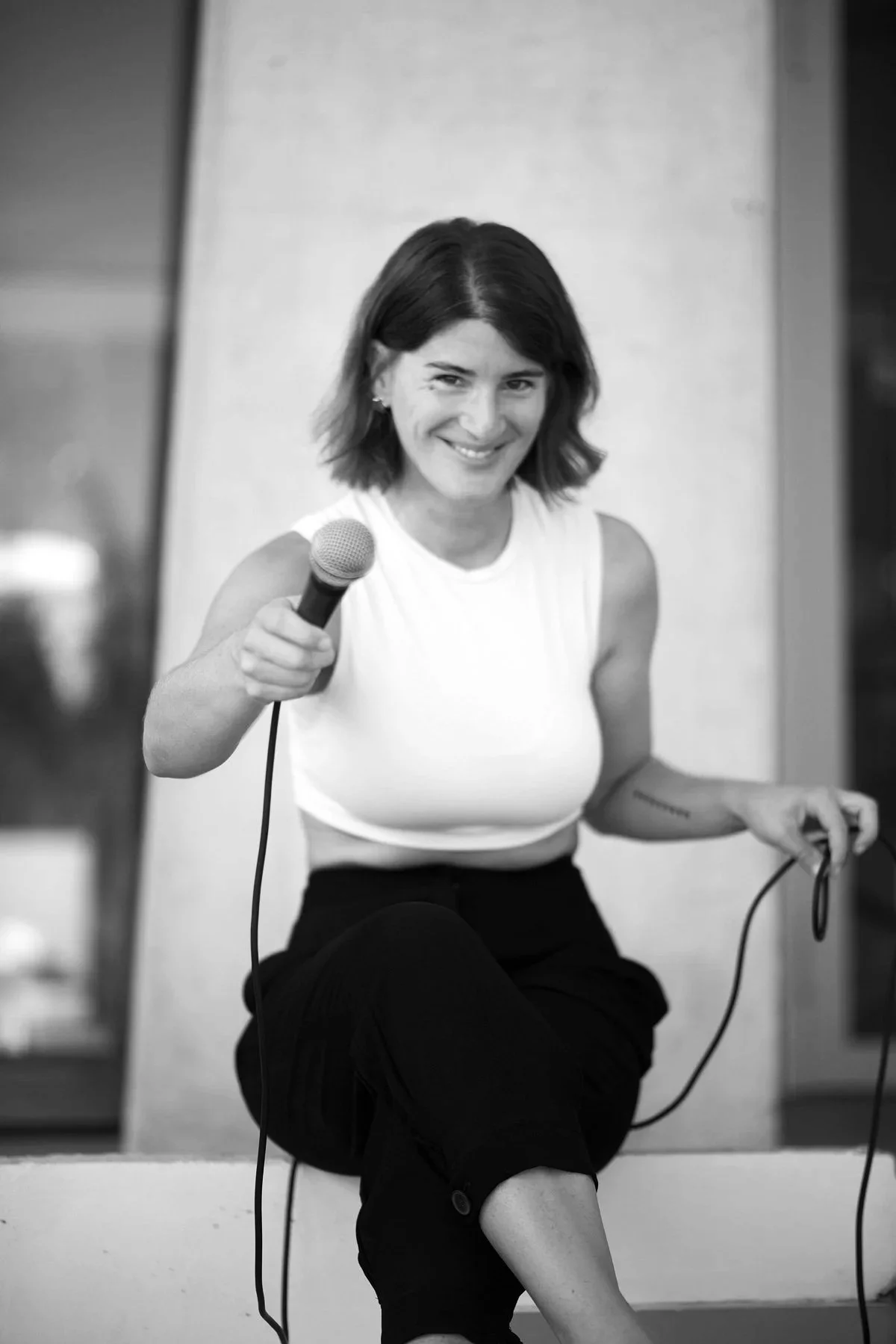
Nine years later, I'm here. A psychotherapist completing my training in logotherapy. The creator of an approach I call LudoTherapy. And a woman who travels with a new deck of cards in her pocket.
40 cards. A question on the front. An invitation on the back.
Maybe you found this page because one of them found you first.
how do we play?
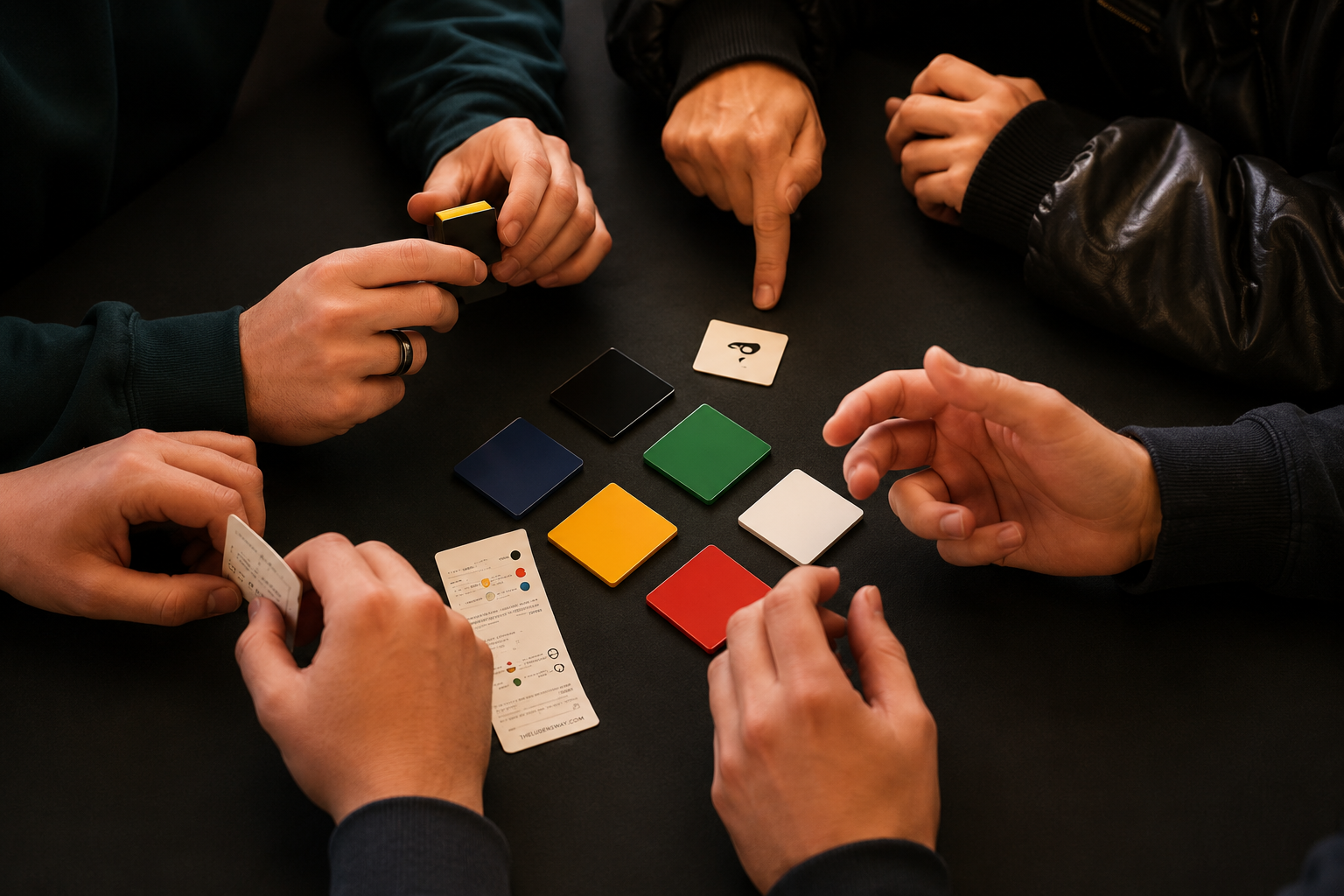
why should you play?
Because we've been waiting for this moment.
Somewhere along the way, we left play behind. Labelled it childish. Moved on to more serious things.
But the most serious thing a human being can do is become whole. And you don't become whole by understanding more. You become whole by doing, creating, playing — by entering into real dialogue with your own life.
We live in a time when mature, responsible adults are finally ready to approach play seriously. Not as an escape from reality. As the most honest map we have for navigating it.
Play is not the opposite of serious. Play is the answer to it.
And if life is a game anyway — you might as well play yours.
So… Let’s Play.
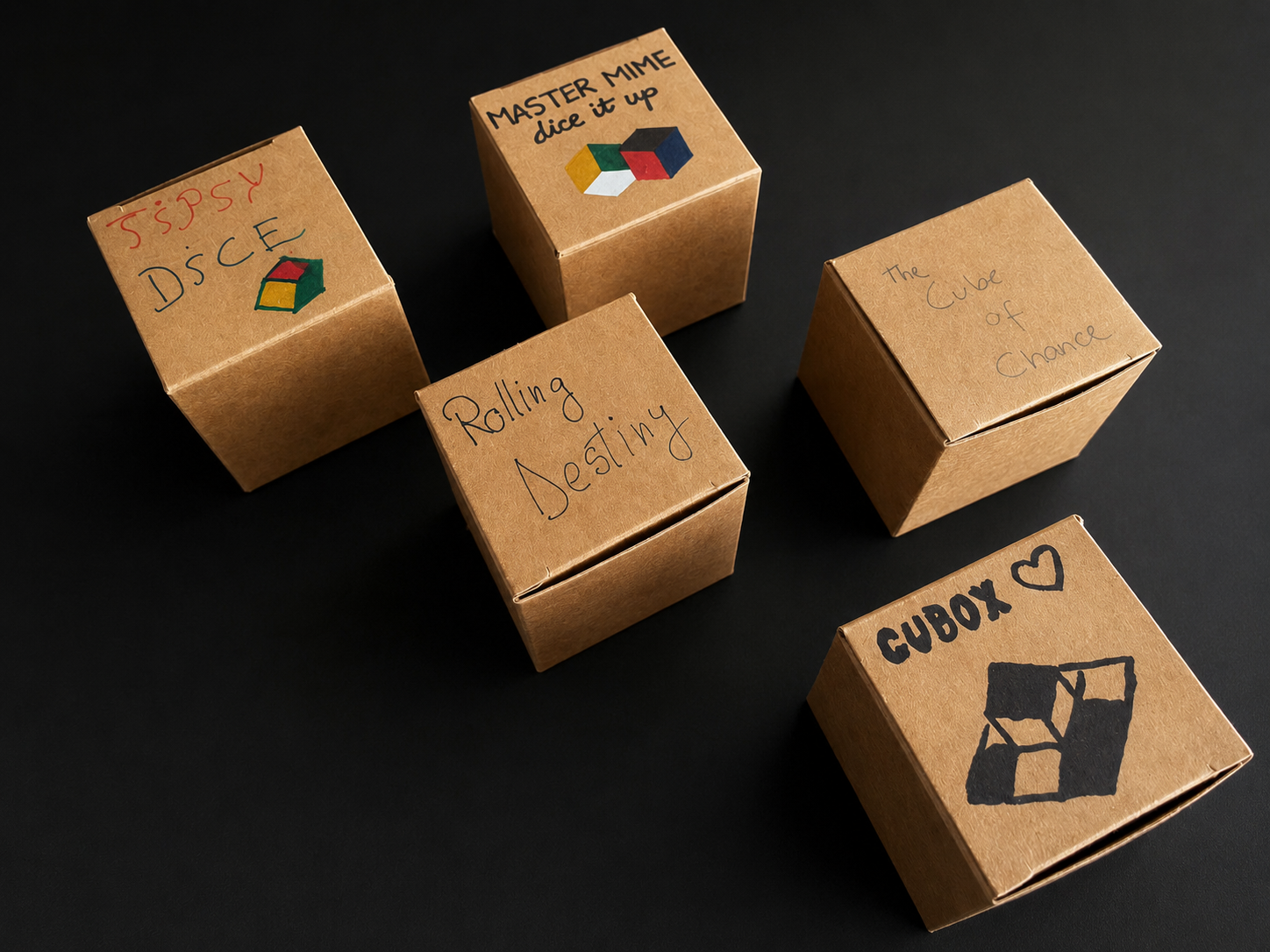
create a game
Whenever you’re ready to play life.